PEDIAC Scientific Days: two days of scientific discussions to review the programme’s five years and plan future projects in paediatric oncology
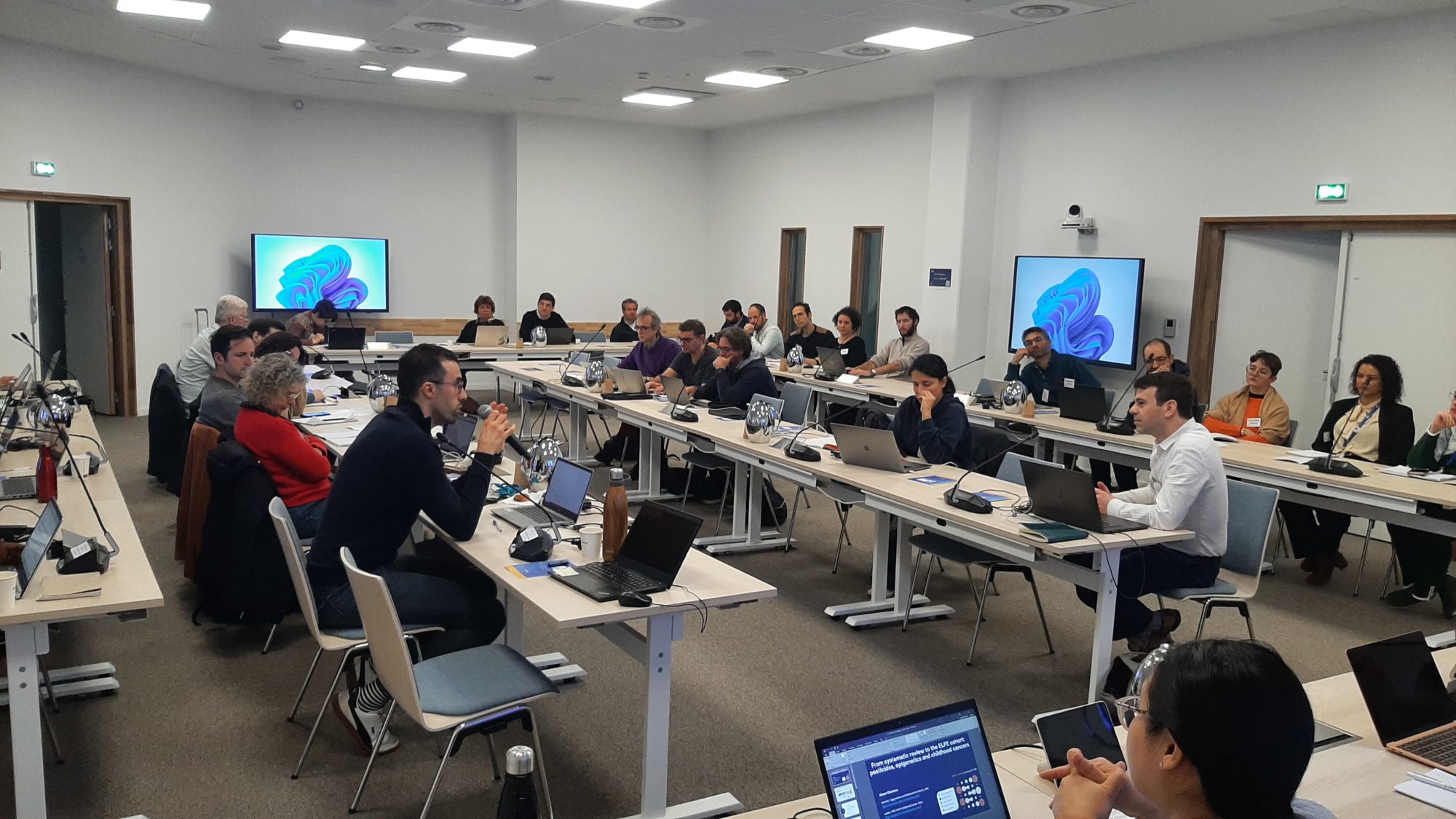
On 20 and 21 November 2025, members of the national PEDIAC programme gathered at the International Cancer Research Centre in Lyon to share their advances in understanding the origins and causes of pediatric cancers.
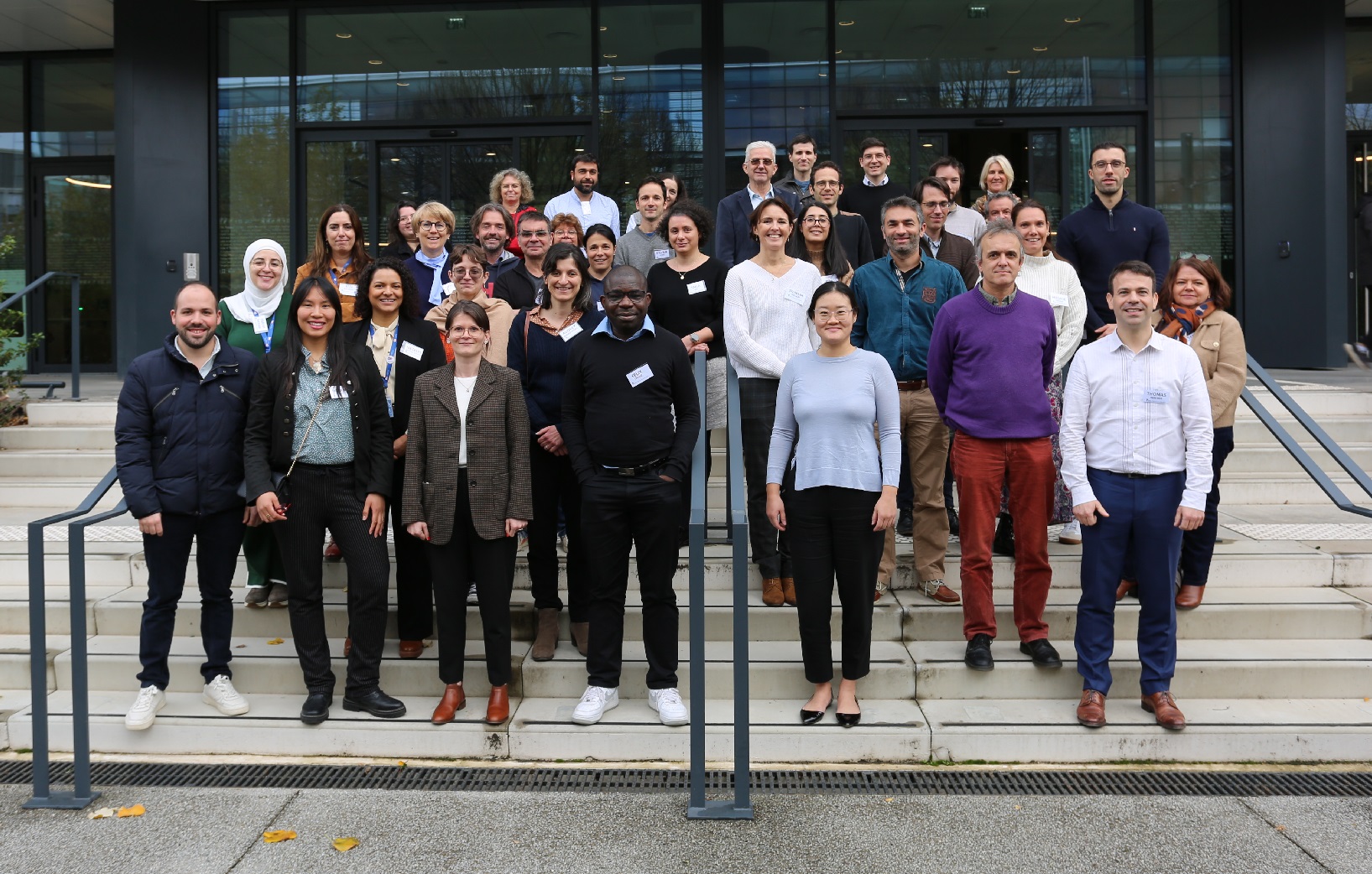
Day 1 :
Risk factors: presentations by Joanne Kim, Akram Ganthous, Audrey Bonaventure, Brice Fresneau and Ons Hamzaoui detailed the importance of parental exposure to pesticides and its link to childhood leukaemia, based on data from the CLIC and ELFE cohorts, as well as the links between genetic predisposition and the long-term effects of treatments, such as the development of secondary cancers, based on data from the GenEFCCSS cohort.
Role of foetal development: presentations by Valentina Lo Re, Bertrand Duvillie, Léa Sans-Chrestia and Thomas Mercher revealed how certain early gene expression programmes contribute to the onset of medulloblastoma, rhabdomyosarcoma and paediatric leukaemia.
Role of the microenvironment: presentations by Françoise Pflumio, Véronique Maguer-Satta and Celio Pouponnot illustrated the contribution of different cells present in an organ to the development of leukaemia and immune cells in response to radiotherapy treatment of rhabdoid brain tumours.
Viruses and paediatric lymphomas: presentations by Sylvain Latour and Rita Khoueiry characterised the interaction between viral infections (such as EBV), genetic predispositions and the development of certain paediatric lymphomas.
Construction of a reference atlas: presentations by Thomas Mercher, Isabelle Janoueix-Lerosey, Olivier Ayrault, Jacob Torrejon-Diaz and Marie Castets highlighted the need to precisely characterise the identity of normal and tumour cells within heterogeneous tumours and illustrated the work currently underway to build a reference atlas of paediatric cancers at the level of each individual cell.
Day 2: Understanding and modelling the role of exposure to pollutants
The second day was devoted to a major cross-cutting theme of the PEDIAC programme: modelling the impact of pesticide exposure on tumour initiation. The teams presented their work on geographical data relating to pesticide exposure and on the cellular and molecular consequences of exposure to certain pesticides on different types of cells that cause the most common paediatric cancers.
Overall, these days made it possible to identify certain projects that will need to be developed in the coming years.
Recent scientific advances
These meetings are a continuation of the consortium’s work, which has resulted in several important publications in recent months. These include a GEOCAP case-control study analysing residential exposure to magnetic fields from high-voltage power lines and the risk of childhood leukaemia in mainland France (M. Mancini et al., Environ Res. 2025), an oncogenomic profile of T-cell acute lymphoblastic leukaemia in infants identifying NKX2 family genes as favourable prognostic factors(M. Delafoy et al., Hemasphere 2025), and a systematic review and meta-analysis of risk factors for neuroblastoma (FM. Onyije et al., Front Public Health 2025).
For more information on the PEDIAC programme, initiated by INCa and the Task Force on Paediatric Cancers, and coordinated by Inserm, click here.
Teams: Vahid Asnafi – Olivier Ayrault – Jean-Yves Blay: Marie Castets & Véronique Maguer-Satta – Jacqueline Clavel – Florent de Vathaire – Zdenko Herceg – Isabelle Janoueix-Lerosey – Sylvain Latour – Thomas Mercher – Celio Pouponnot – Joachim Schüz